If you have already done the Mara circuit and ticked off Samburu, Mwea National Reserve is worth a proper look. This Mwea National Reserve birding guide covers real distances, real fees, and honest timing advice. It skips the recycled “200 to 400 species” line you find on most reserve pages. The reserve sits where the Tana and Thiba rivers meet, on the border of Kirinyaga and Embu counties. It gets a fraction of the visitors that Nakuru or Amboseli see in a week. That is exactly why serious birders keep going back.
Mwea National Reserve Birding Guide: Location and How to Get There
Mwea National Reserve covers about 42 square kilometers of acacia woodland, riverine forest, and swamp along the Kamburu and Masinga reservoirs. It lies roughly 160 to 195 km from Nairobi, depending on the route you take. That range varies because the two access roads meet the reserve from different directions, so treat any single figure you read elsewhere with caution.
Two routes get you there, and they feel very different once you leave the tarmac.
| Route | Distance from Nairobi | Drive time | Road surface | Best for |
|---|---|---|---|---|
| Thika – Matuu – Masinga | approx. 160 km | 2.5 to 3 hours | Tarmac all the way to Masinga Dam Bridge, then about 10 km of dirt track to the gate | Faster approach, better in dry season |
| Embu – Machanga | approx. 195 km | 3.5 to 4 hours | Tarmac to Embu, then unmarked dirt roads | Scenic, but easy to lose the track |
Both routes end on unpaved sections that turn to mud fast after rain. This is one reason to read up on why you’ll want a 4WD Land Cruiser for the dirt-road approach before you commit to a self-drive plan. A saloon car can manage the Thika route in the dry months, but it is not a comfortable bet.
Why birders rate it so highly
Mwea is registered as an Important Bird Area by BirdLife International. The reason is not the total species count, it is what lives here that lives almost nowhere else. Hinde’s babbler is the headline bird. This chatty, cooperative-breeding species is found only in a narrow band of central Kenya. Mwea is one of the most reliable places left to see it.
Species counts you will see quoted range from around 200 to over 400. The honest answer is that the reserve’s core checklist sits closer to 200 confirmed species. The higher figures fold in records from the wider Kamburu-Masinga wetland system beyond the reserve boundary. Either way, for a half-day site this close to Nairobi, it is a strong list.
Key species and where to find them
Three birds draw most of the serious visitors, and each wants a different habitat within the reserve.
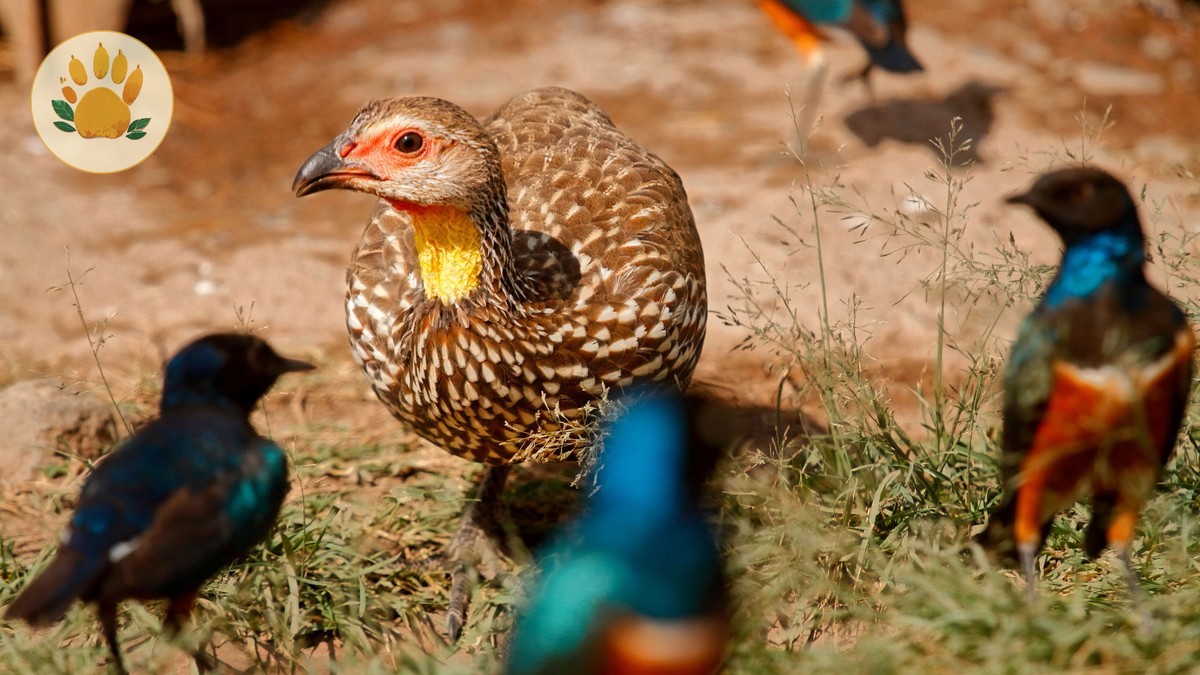
Pel’s fishing owl roosts in the tall riverine trees along the Tana River gorge. It is usually spotted at dawn or dusk near quiet backwaters. White-backed night heron favors the same riverine strip, often perched low over still water. Malagasy pond heron turns up on the reservoir margins during the northern winter. It blends in with resident squacco herons until you check the bill and leg color closely.
Hinde’s babbler prefers thick scrub and acacia thicket away from the water, usually in noisy family groups of six to ten birds. African fish eagle and a good range of waders, plovers, and kingfishers work the dam edges year round.
If raptors are part of your trip planning, the reserve’s open grassland patches are also worth scanning. Our field guide to secretary bird sightings in Kenya covers the habits of a bird that occasionally turns up here on the drier fringes.
Boat safaris versus walking trails
Mwea offers two distinct ways to bird, and they suit different targets.
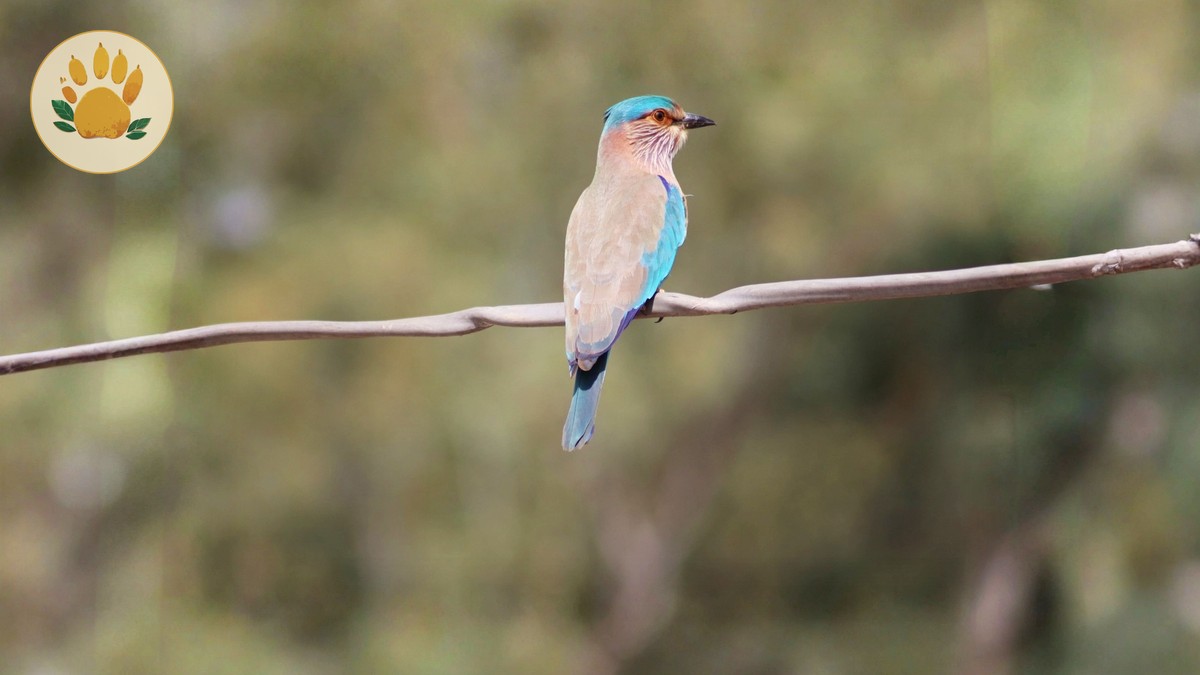
A boat safari on Kamburu Dam, run by KWS rangers, gets you close to fish eagles, herons, and waders along the shoreline. No vehicle can match that view. Boats can be arranged at the gate, generally for a small group, and the ride takes about an hour to ninety minutes.
Walking and nature trails through the woodland are the better bet for Hinde’s babbler and other thicket species. A boat cannot get you into the scrub. Early morning walks with a ranger guide, starting before 7am, produce the best activity before the heat sets in.
Best time to visit, birders versus general visitors
This is where most reserve write-ups go vague, and it matters more than they admit.
For birders, the wet seasons, roughly March to May and October to November, are the strongest window. Migrants are present, the swamps hold water, and species like Malagasy pond heron are more likely to show. Resident species like Hinde’s babbler are visible year round, so this is not a hard rule, just a better hit rate.
For general wildlife viewing, the dry months of June to September and January to February are easier. Tracks are firmer, animals gather closer to the remaining water, and visibility through the bush improves. If your priority is birds specifically, do not let a dry-season safari schedule push you away from a wet-month visit here.
Entry fees and how to pay
KWS fees for Mwea National Reserve are modest compared to the larger parks, but the fee categories are easy to mix up. Confirm the category that applies to you before you travel.
| Visitor category | Adult rate | Child rate |
|---|---|---|
| Non-resident (foreign visitor) | USD 40 | indicative, roughly USD 20 |
| African citizen (non-East African) | USD 25 | indicative, roughly USD 15 |
| East African citizen | KES 500 | KES 300 |
These figures are current as of 2026 but move periodically. Confirm rates through the KWS eCitizen portal or M-Pesa paybill system before you travel, since KWS has phased out cash payment at most gates.
Accommodation and camping options
Be clear on this before you plan the trip: there are no lodges inside Mwea National Reserve. The only in-reserve option is camping, at a basic public campsite near the main gate, with no permanent structures or catering.
For a bed and a hot shower, Masinga Lodge on the dam shoreline is the closest comfortable option. It is about 30 to 40 minutes from the reserve gate. Embu town, roughly an hour away, has a handful of tented camps and mid-range hotels. It works well as a base if you are combining Mwea with Mount Kenya’s eastern side.
Other wildlife alongside the birds
Mwea is not only a birding stop. The reserve holds a small population of elephants that move between here and the wider Mwea-Kamburu ecosystem. Buffalo, waterbuck, and a resident troop of vervet monkeys are also present. Crocodile and hippo are present in the dam and river sections. Keep that in mind if you plan to walk the riverbank on your own.
A note on malaria risk
The Tana and Thiba river swamps that make Mwea good for birds also make it a real malaria exposure zone. This gets left out of most reserve guides entirely. If you are combining Mwea with other low-altitude, water-adjacent parks on your itinerary, it is worth reading our overview of malaria risk near Kenya’s river and swamp reserves. Talk to a travel clinic about prophylaxis before you go.
The SafariPure Difference
Most operators treat Mwea as an afterthought, a detour tacked onto a Mount Kenya trip. We treat it as a destination in its own right. For a repeat visitor who has already seen the big cats, a confirmed Hinde’s babbler sighting is worth more than another lion photo.
We plan Mwea trips around the bird you actually want to see, not a generic itinerary. That means choosing the wet or dry season based on your target species. It means booking the boat safari at the right time of day. And it means being upfront that you will be camping or basing out of Masinga or Embu, not staying in a lodge inside the reserve. We would rather tell you that plainly now than have you find out at the gate.
Plan your visit
Mwea rewards a visitor who wants one quiet, well-run day of serious birding rather than a rushed stop between bigger parks. If you want help building a route that fits your timeline and the species you are after, get in touch through our contact page. Or take a look at our Kenya birding safari tours to see how a Mwea visit can fit into a wider trip.